
Private
Project Location: The banks of the New River
Client: Private
Gas Proofing
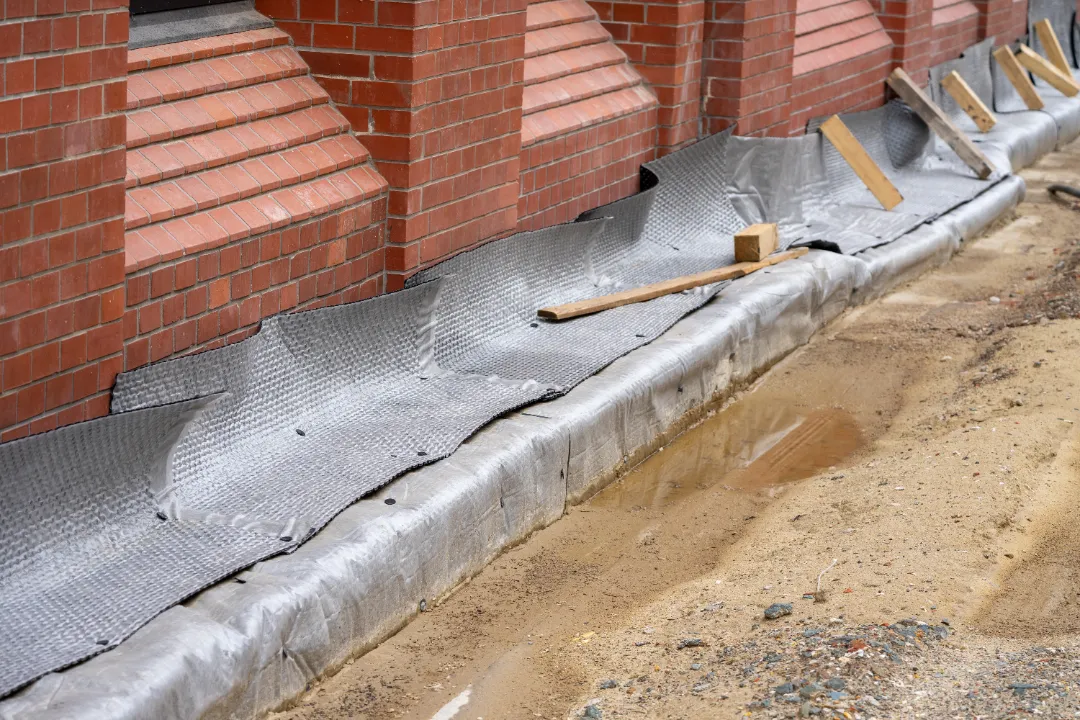
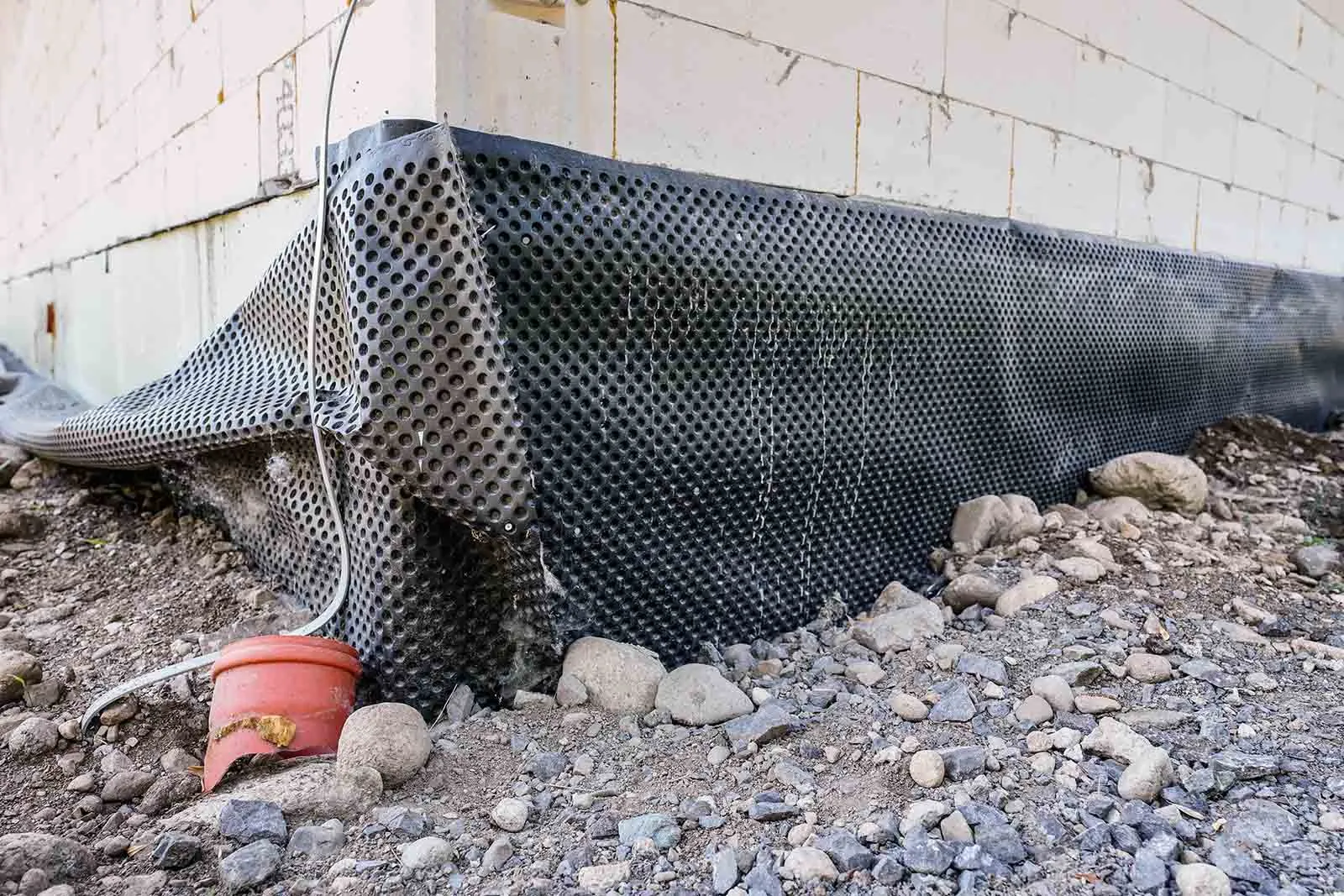
Cavity drain waterproofing system technology creates an internal waterproof barrier that directs water away from your building’s interior. This type C waterproofing system is highly effective for basement structures and other buildings where water pressure is a concern.
Rather than attempting to block water at the point of entry, cavity drain systems are designed to manage it safely and predictably. Water is controlled behind specialist membranes and channelled into drainage systems for discharge, reducing pressure on the structure itself. This approach makes cavity drain waterproofing particularly well suited to occupied properties, refurbishments, and situations where external waterproofing is not practical.
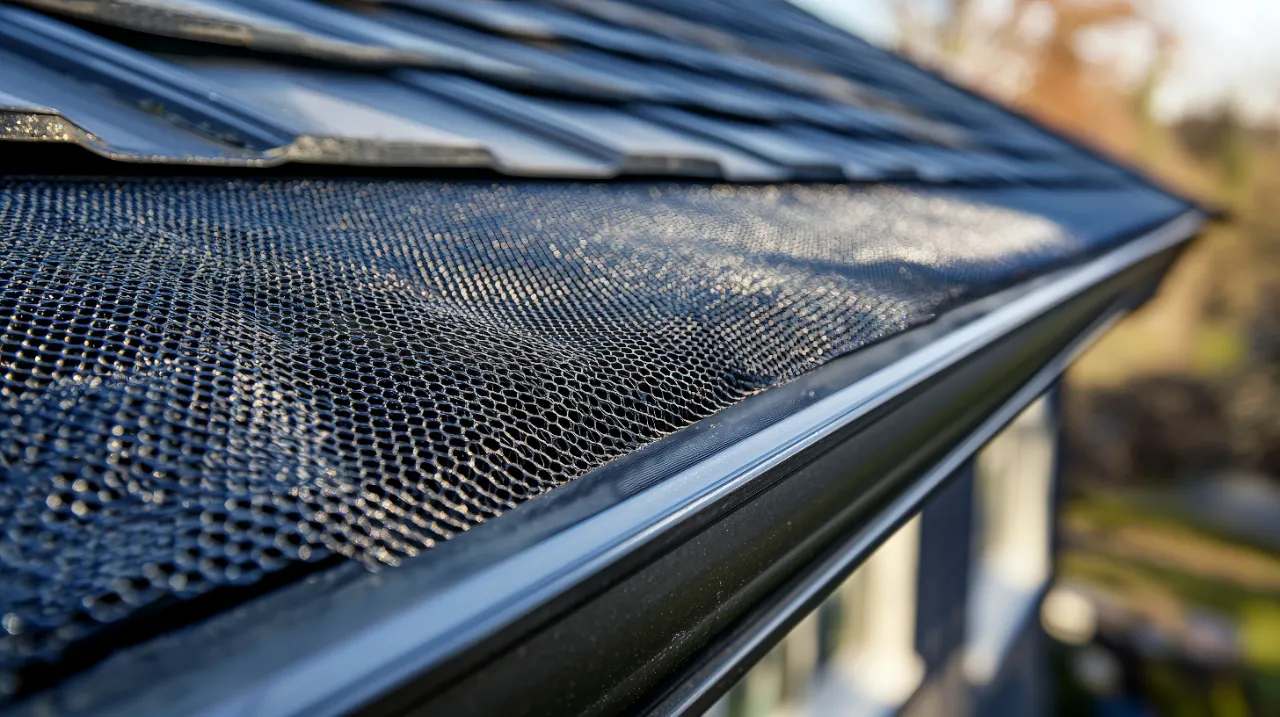

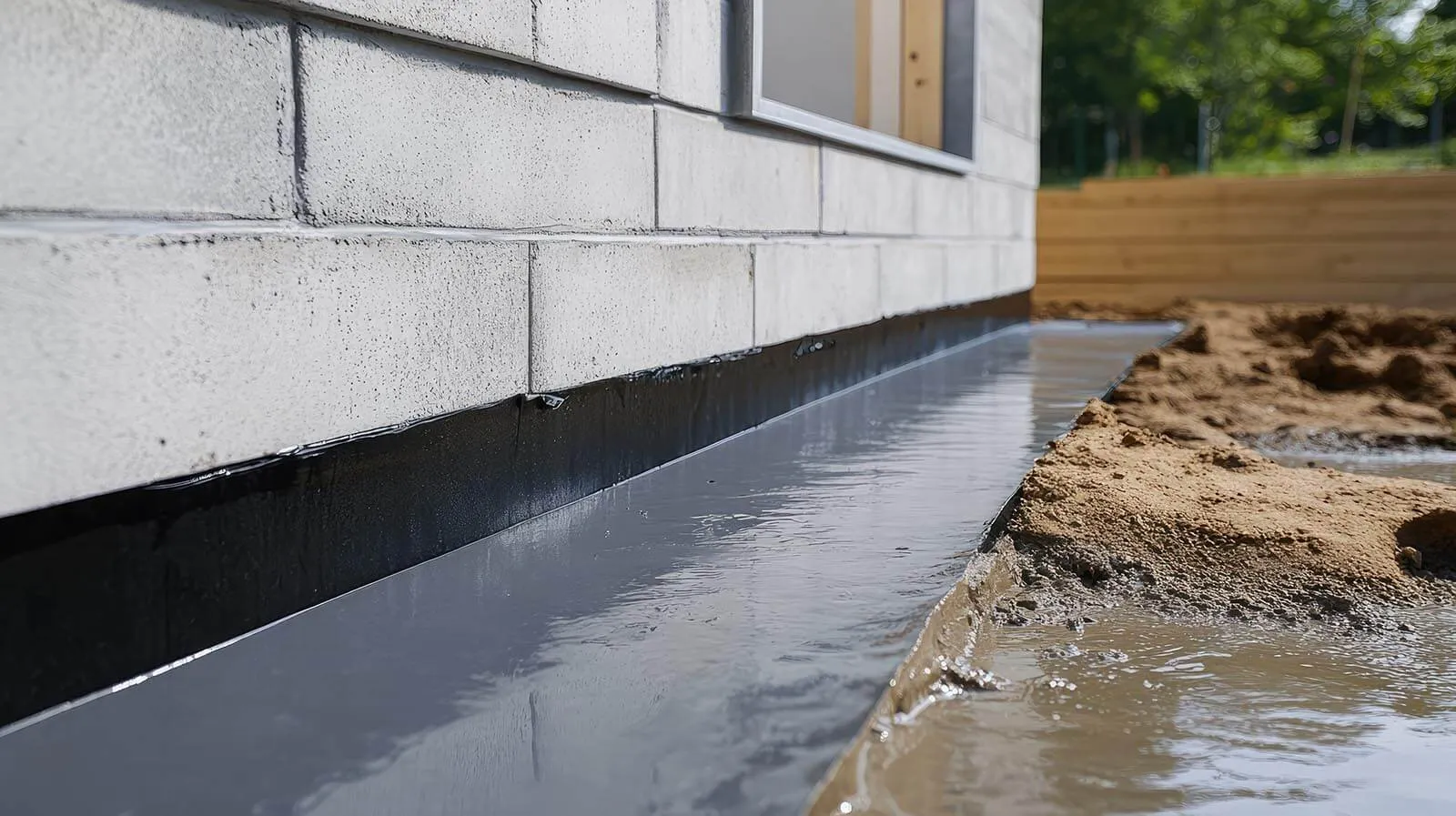
Unlike traditional damp proofing methods that rely on resistance to water, cavity drain systems accept that some water ingress may occur. The system uses high quality wall membrane and floor membrane materials to create an air gap between the structure and the finish. Any water that penetrates is then channeled through controlled drainage system components to a suitable outlet.
At Renlon, we’re constantly developing better solutions for our clients and the properties that we work on. Our innovation has led to the creation of proprietary products that offer significant advantages over traditional methods.
RenStrength is our revolutionary waterproofing system that eliminates the need to remove existing renders. This breakthrough technology applies directly over failed waterproofing systems, significantly reducing project timelines and disruption.
We are also excited to introduce RenTherme…
Our cavity drain system features integrated drainage channels and components designed to manage water effectively
We design and install these systems in accordance with British Standard specifications, whether as part of new build construction or as a structural repair solution for existing properties. Each system is tailored to your specific requirements.


Project Location: The banks of the New River
Client: Private
Project Location: Corbridge Crescent
Client: Trac Construction / HG Construction
Project Location: Clerkenwell, EC1
Client: Victorian Grade II listed building
Here are some common questions about cavity drain waterproofing. If you don't see the information you need, please contact us.
Contact UsCavity drain waterproofing (Type C) differs from other methods by managing water rather than attempting to block it completely.
While Type A (barrier) and Type B (integral) systems rely on preventing water entry, Type C systems control and direct water away, making them ideal for basements with consistent water pressure issues.
Yes, a cavity drain system should be periodically inspected and maintained to ensure optimal performance. The drainage channels and collection points should be checked to prevent blockages.
Many of our systems include inspection ports installed with special plugs that allow easy access for maintenance without disrupting your finished spaces.
Absolutely. For maximum protection, cavity drain systems are often used in conjunction with other waterproofing methods. This combined approach creates multiple layers of protection, particularly beneficial in high-risk areas or for sensitive environments where the consequences of water ingress would be severe.
1
Contact us to discuss your property needs. We'll gather information about your building and arrange for the appropriate specialist to conduct a thorough assessment.
2
Contact us to discuss your property needs. We'll gather information about your building and arrange for the appropriate specialist to conduct a thorough assessment.
3
Once you approve our proposal, our experienced team will carry out all necessary work to the highest standards. We'll keep disruption to a minimum while providing comprehensive documentation upon completion, all backed by a decade-long guarantee.

Renlon is a fantastic company – efficient, knowledgable and specialist provision, accommodating and responsive. Thank you!
Really good service from start to finish, not one problem. Responsive, lovely staff throughout from the office to the Ops through to the highly skilled, tidy & courteous man who carried out the work to a really high standard. It’s a minefield of getting damp fixed, so happy I chose the right company.
Renlon are brilliant! Cannot reccmmend enough. Communication has been great, with quick responses to emails and phone calls. Lovely staff, namely Perry Spang, who has been extremely helpful and taken time to explain details of survey to me properly and with advice as how best to proceed. Huge thanks!