
Private
Project Location: The banks of the New River
Client: Private
Gas Proofing

Wet rot is a common fungal decay that affects timber with high moisture content. Our wet rot treatment service identifies the source of moisture, removes affected timber, and restores structural integrity to damaged areas using professional solutions.
Timber deterioration is often linked to underlying moisture issues, poor ventilation, or long-term exposure to damp conditions. By identifying contributing factors and treating affected areas appropriately, we help prevent further spread and reduce the risk of future damage. This considered approach protects load-bearing timbers as well as internal joinery, supporting the overall stability and longevity of the building.


Wet rot fungus thrives in damp conditions, typically occurring where timber has prolonged exposure to water ingress or leaks. Unlike dry rot, wet rot remains localised to the area of moisture.
The two main types of rot are brown rot, which causes timber to darken and crack, and white rot, which creates a pale, fibrous texture. Common signs of wet rot include softened wood, discolouration, and crumbling timber.
At Renlon, we’re constantly developing better solutions for our clients and the properties that we work on. Our innovation has led to the creation of proprietary products that offer significant advantages over traditional methods.
RenStrength is our revolutionary waterproofing system that eliminates the need to remove existing renders. This breakthrough technology applies directly over failed waterproofing systems, significantly reducing project timelines and disruption.
We are also excited to introduce RenTherme…

Our wet rot specialists begin by identifying the source of the moisture causing your wet rot problem. These issues could be caused by defective gutters, poor ventilation, condensation, leaks in roofing or plumbing, or a combination.
After resolving the underlying cause of the rot, we remove rotten wood, apply professional fungicide treatments to eliminate wet rot spores, and either repair or replace affected timber.
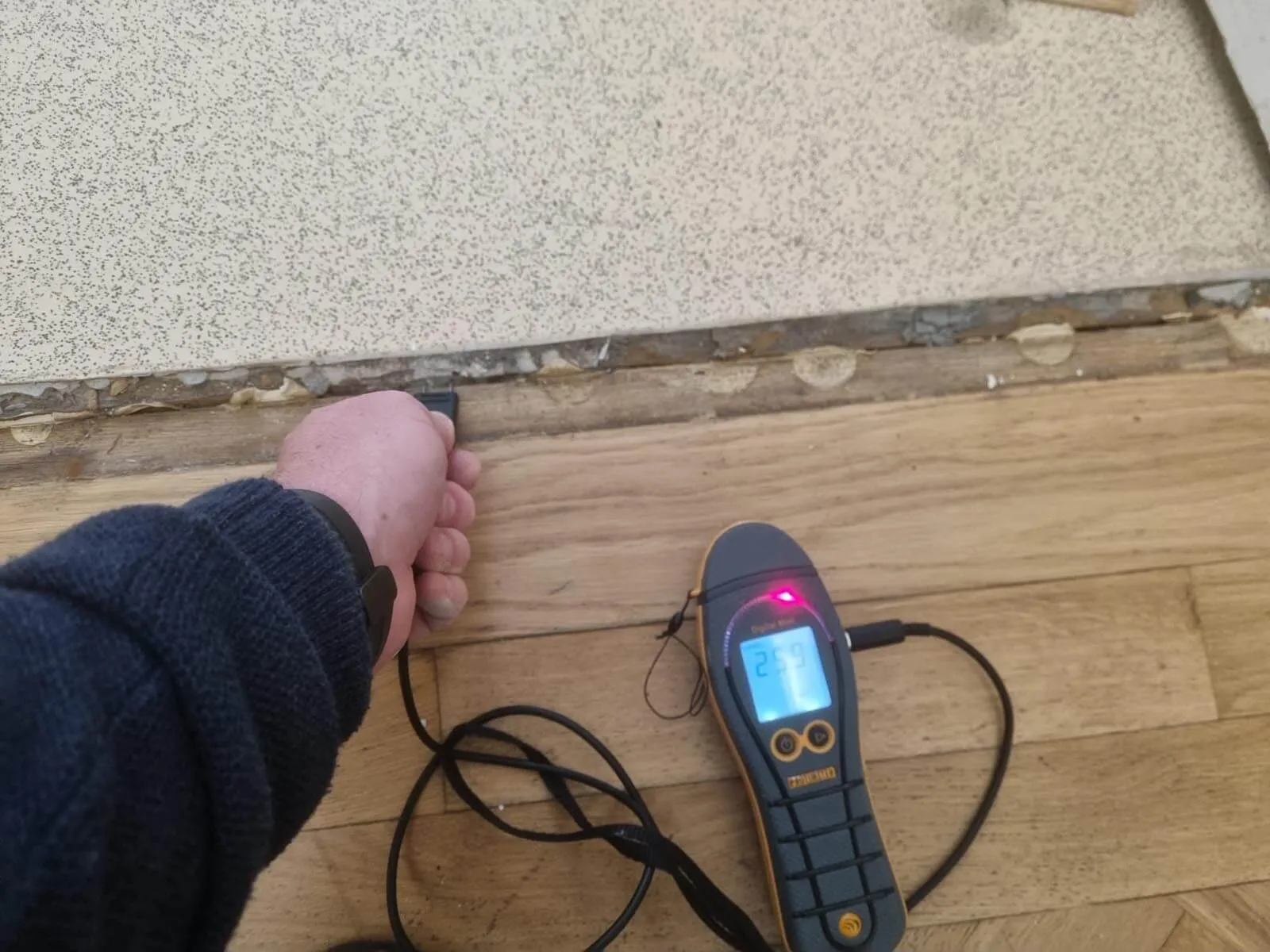

Project Location: The banks of the New River
Client: Private
Project Location: Corbridge Crescent
Client: Trac Construction / HG Construction
Project Location: Clerkenwell, EC1
Client: Victorian Grade II listed building
Here are some common questions about wet rot treatment. If you need specific advice about your property, please contact us.
Contact UsWhile both are fungal decay, wet rot requires higher moisture content and remains localised to the damp area.
Dry rot fungus can spread through brickwork and across dry timber, making it more destructive. Wet rot typically has a darker colour and doesn't create the distinctive fruiting bodies seen with dry rot.
Both types compromise structural integrity but require different treatment approaches.
Wet rot typically doesn't spread far beyond areas with high moisture content.
However, if the source of moisture affects multiple areas or spreads over time, wet rot can appear in new locations.
Addressing the cause of the rot promptly is the best way to prevent expansion.
Beyond compromising structural timber, wet rot can damage flooring, create an ideal environment for mould growth, and lead to deterioration of surrounding materials like wallpaper and plaster.
The associated dampness may cause increased energy bills through heat loss and can bring woodworm infestations. Early intervention minimises these effects.
1
Contact us to discuss your property needs. We'll gather information about your building and arrange for the appropriate specialist to conduct a thorough assessment.
2
Contact us to discuss your property needs. We'll gather information about your building and arrange for the appropriate specialist to conduct a thorough assessment.
3
Once you approve our proposal, our experienced team will carry out all necessary work to the highest standards. We'll keep disruption to a minimum while providing comprehensive documentation upon completion, all backed by a decade-long guarantee.


Renlon is a fantastic company – efficient, knowledgable and specialist provision, accommodating and responsive. Thank you!
Really good service from start to finish, not one problem. Responsive, lovely staff throughout from the office to the Ops through to the highly skilled, tidy & courteous man who carried out the work to a really high standard. It’s a minefield of getting damp fixed, so happy I chose the right company.
Renlon are brilliant! Cannot reccmmend enough. Communication has been great, with quick responses to emails and phone calls. Lovely staff, namely Perry Spang, who has been extremely helpful and taken time to explain details of survey to me properly and with advice as how best to proceed. Huge thanks!