
Private
Project Location: The banks of the New River
Client: Private
Gas Proofing
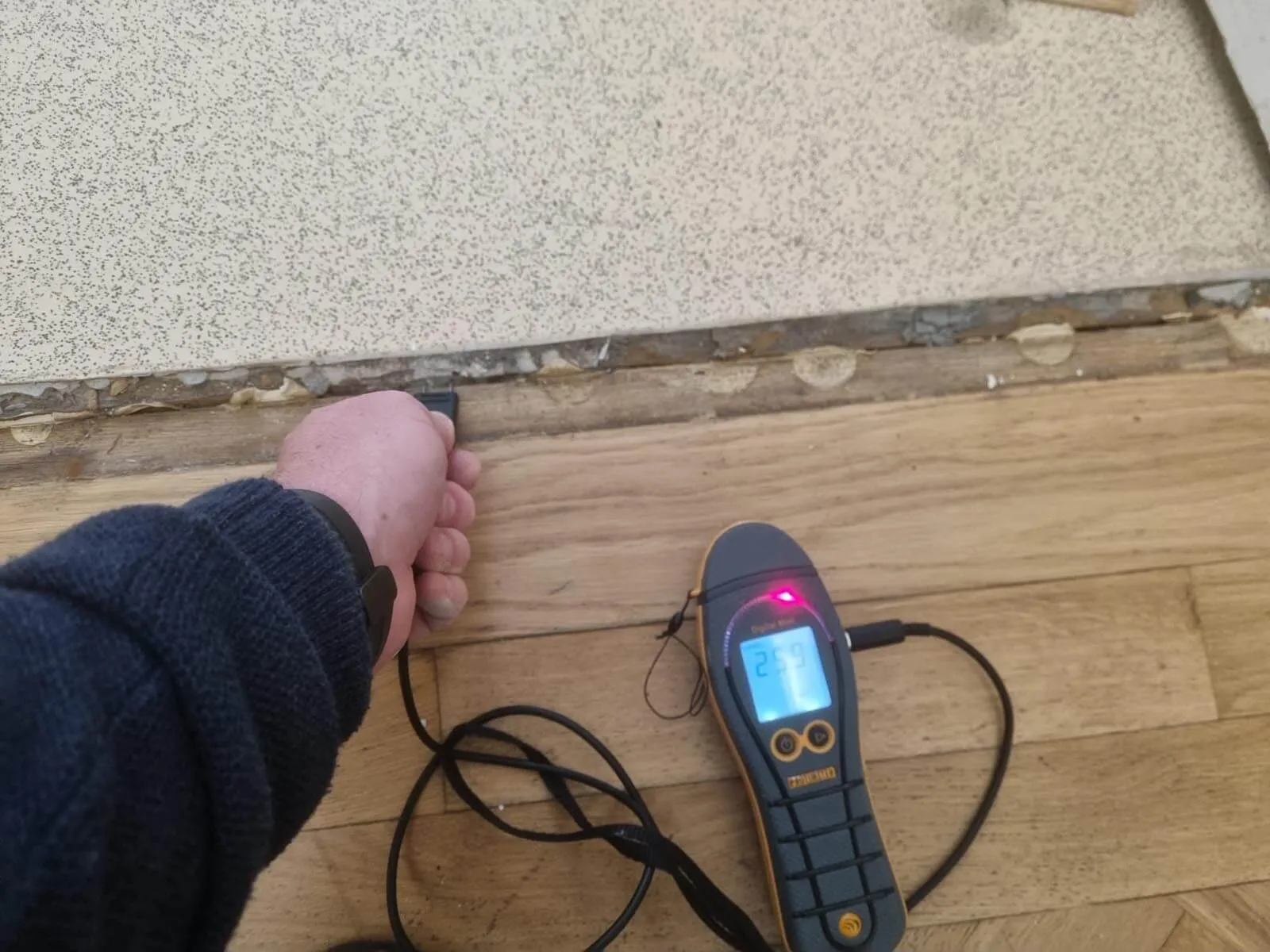
Rising damp occurs when groundwater moves upward through porous building materials via capillary action. Our specialists identify and treat this distinctive form of dampness, protecting your property from damage and decay.
Treatment focuses on controlling moisture movement at low level and preventing further absorption into walls and finishes. This may involve the installation of appropriate damp proofing systems alongside remedial works to manage salts and restore affected surfaces. By addressing rising moisture correctly, we help prevent ongoing deterioration, improve internal conditions, and support the long-term health of the building.
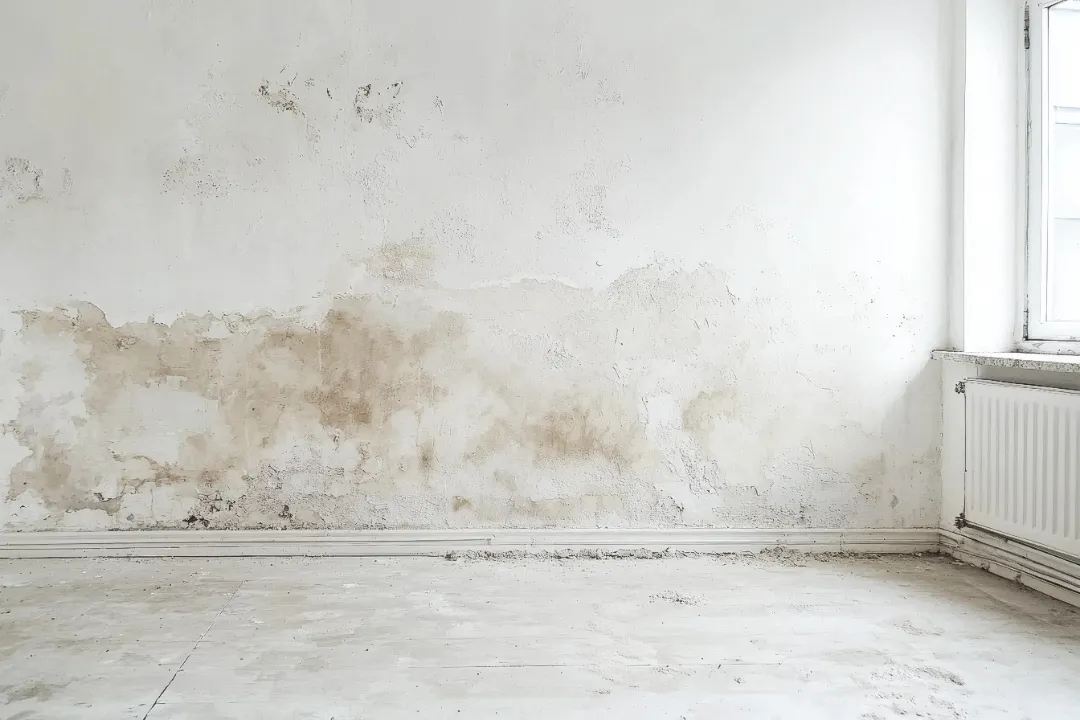
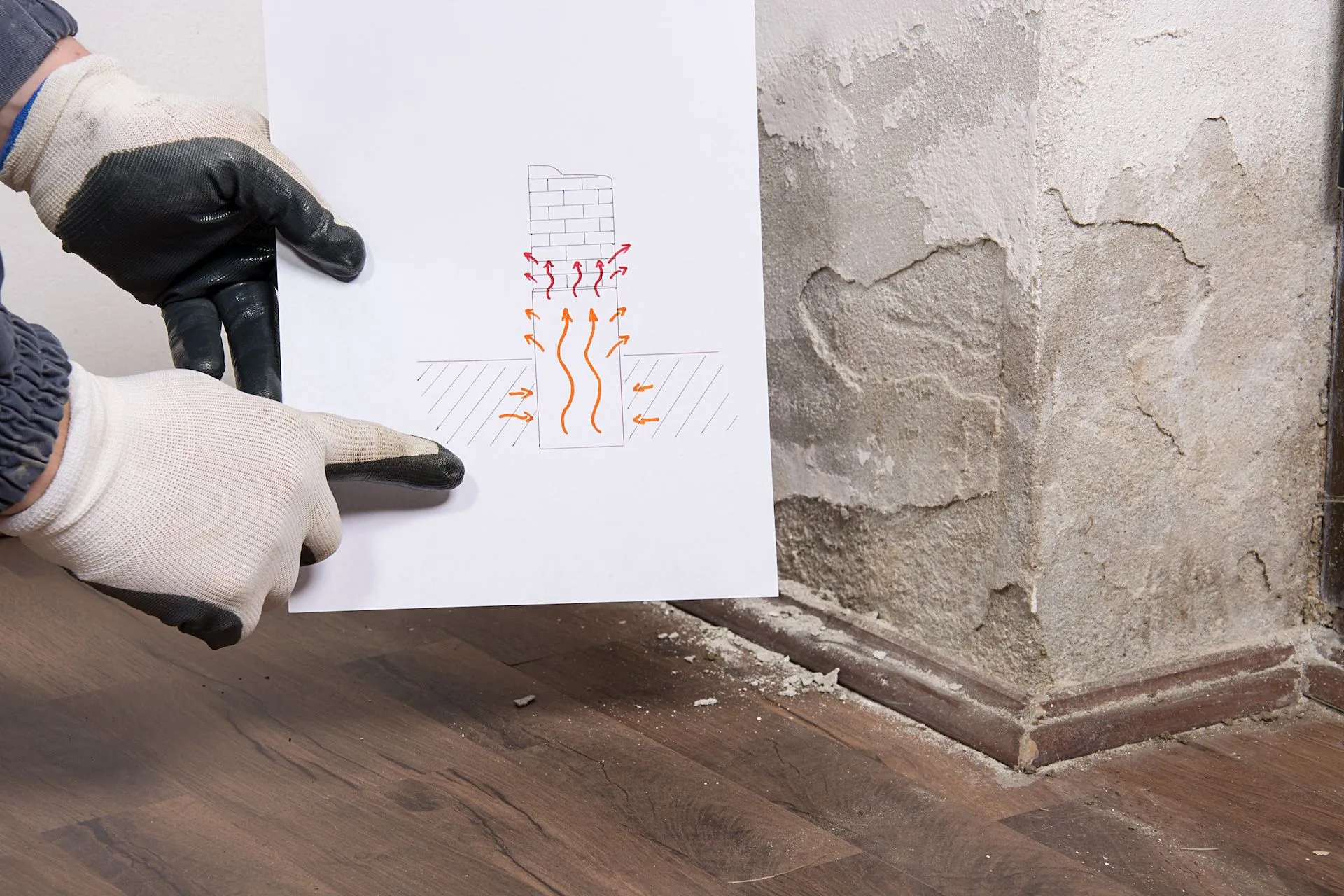
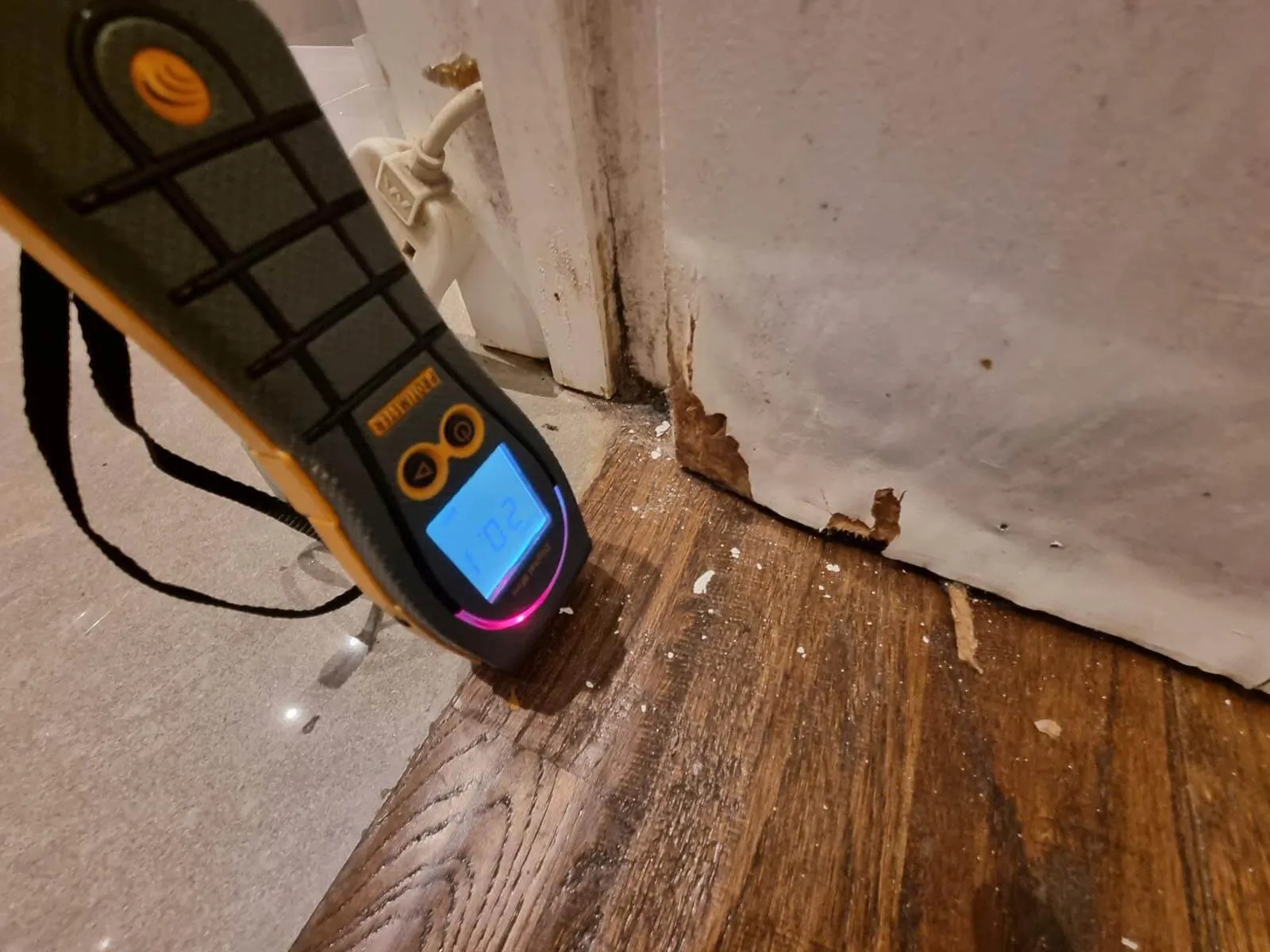
Rising damp typically affects masonry walls, brickwork, mortar, and plaster up to the DPC level (damp proof course). It can be identified by tide mark staining on internal walls, damaged skirting boards, and a musty smell.
Without proper treatment, this moisture movement can cause damage to decorative finishes, structural issues in masonry, and also lead to wet rot or dry rot in timber.
At Renlon, we’re constantly developing better solutions for our clients and the properties that we work on. Our innovation has led to the creation of proprietary products that offer significant advantages over traditional methods.
RenStrength is our revolutionary waterproofing system that eliminates the need to remove existing renders. This breakthrough technology applies directly over failed waterproofing systems, significantly reducing project timelines and disruption.
We are also excited to introduce RenTherme…
Accurate diagnosis is crucial, as misdiagnosis leads to ineffective treatment. Our qualified damp specialists have years of experience in property care and can distinguish rising damp from other forms of dampness.
We often install physical barriers at the base of the wall to prevent capillary action and treat affected areas to neutralise hygroscopic salts that attract moisture.

Project Location: The banks of the New River
Client: Private
Project Location: Corbridge Crescent
Client: Trac Construction / HG Construction
Project Location: Clerkenwell, EC1
Client: Victorian Grade II listed building
Here are some common questions about rising damp. If you need more information, please contact us.
Contact UsRising damp typically presents as damp stains or tide marks on the walls of buildings, usually up to 1 meter from ground level. You might notice damaged skirting, peeling paint, crumbling plaster, and a distinctive musty smell.
Efflorescence (salt deposits) on walls is also common as evaporation leaves behind salts drawn up from the ground.
Yes, rising damp can affect both. It often begins in external walls and progresses to internal walls, especially in properties with solid masonry construction.
In cavity wall construction, the damp may be contained in the outer leaf if the cavity is properly designed and maintained, but can bridge across if debris has accumulated.
Yes, we've successfully damp proofed many older basements. While new build properties can incorporate damp proofing from the design stage, older buildings often require retrofit solutions.
Our Type C cavity drain systems are particularly effective for older properties as they manage water without putting pressure on existing basement walls that may have cement or plaster coatings.
1
Contact us to discuss your property needs. We'll gather information about your building and arrange for the appropriate specialist to conduct a thorough assessment.
2
Contact us to discuss your property needs. We'll gather information about your building and arrange for the appropriate specialist to conduct a thorough assessment.
3
Once you approve our proposal, our experienced team will carry out all necessary work to the highest standards. We'll keep disruption to a minimum while providing comprehensive documentation upon completion, all backed by a decade-long guarantee.

Renlon is a fantastic company – efficient, knowledgable and specialist provision, accommodating and responsive. Thank you!
Really good service from start to finish, not one problem. Responsive, lovely staff throughout from the office to the Ops through to the highly skilled, tidy & courteous man who carried out the work to a really high standard. It’s a minefield of getting damp fixed, so happy I chose the right company.
Renlon are brilliant! Cannot reccmmend enough. Communication has been great, with quick responses to emails and phone calls. Lovely staff, namely Perry Spang, who has been extremely helpful and taken time to explain details of survey to me properly and with advice as how best to proceed. Huge thanks!