
Private
Project Location: The banks of the New River
Client: Private
Gas Proofing
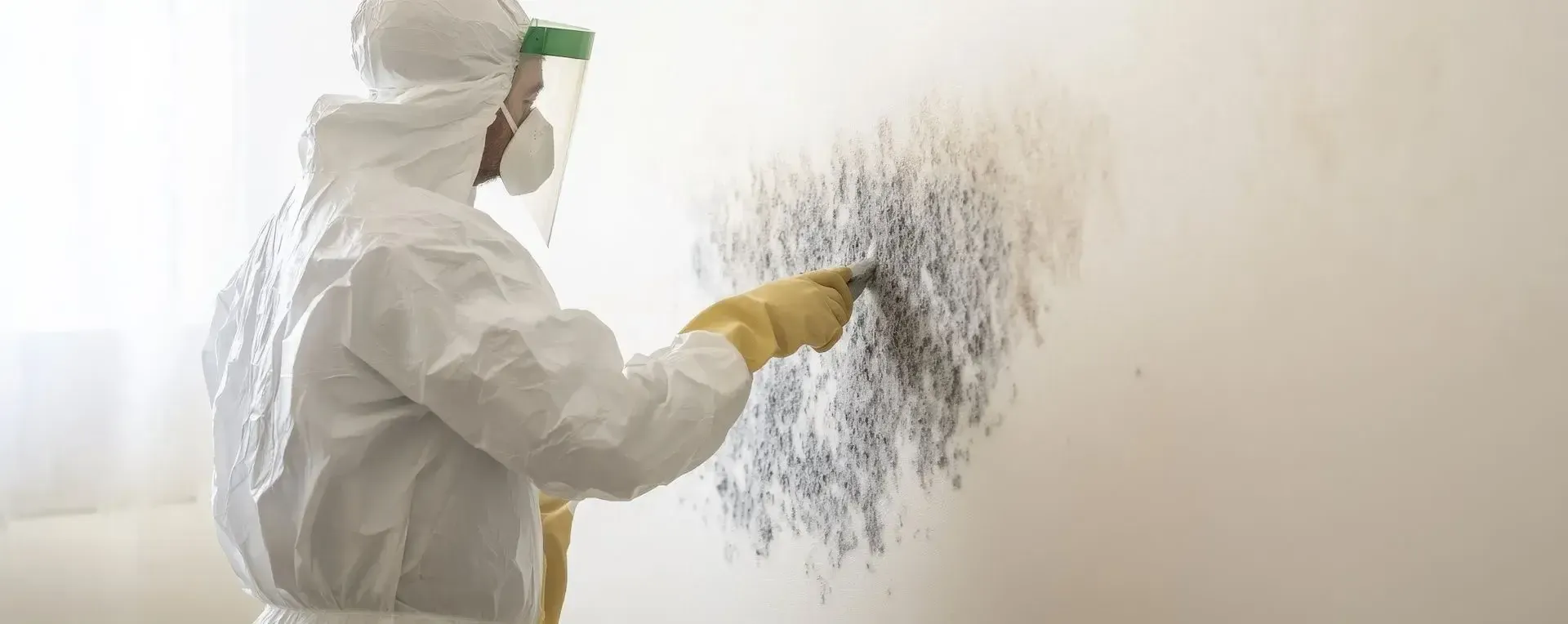
Penetrating damp is moisture that moves horizontally through walls rather than rising from the ground. Our specialists identify the source of moisture and provide effective penetrating damp treatment to protect your property from damage.
This type of dampness is often linked to defects in the building envelope, such as damaged brickwork, failed pointing, compromised render, or faulty drainage. By locating and addressing the point of entry, we can prevent further moisture penetration and limit the spread of internal damage.
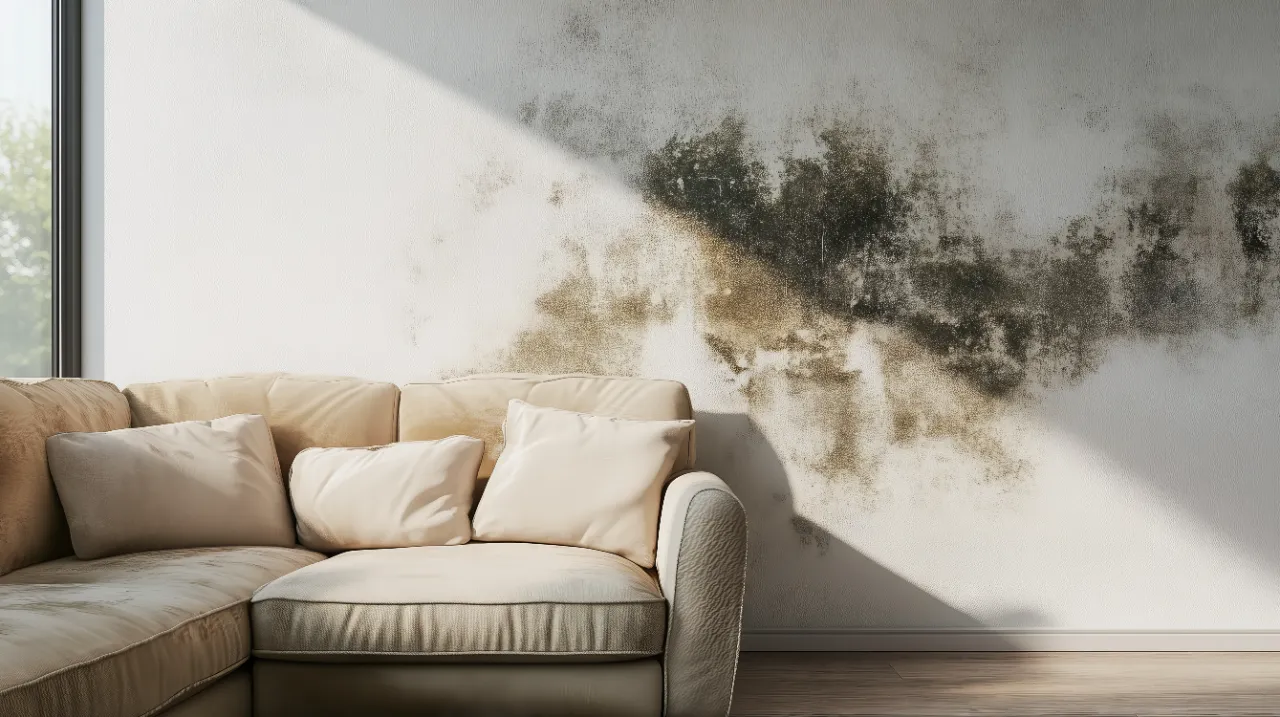
Penetrating dampness typically appears as damp patches on internal walls, often accompanied by a musty smell and potential mould growth. It occurs when water penetration from the external wall reaches the inner surface of a property.
Common causes include defective guttering, roof damage, cracked rendering, and porous bricks. Without treatment, this damp issue can lead to unhealthy air, deterioration of building materials and decorations, as well as wet rot and dry rot in timber.
At Renlon, we’re constantly developing better solutions for our clients and the properties that we work on. Our innovation has led to the creation of proprietary products that offer significant advantages over traditional methods.
RenStrength is our revolutionary waterproofing system that eliminates the need to remove existing renders. This breakthrough technology applies directly over failed waterproofing systems, significantly reducing project timelines and disruption.
We are also excited to introduce RenTherme…
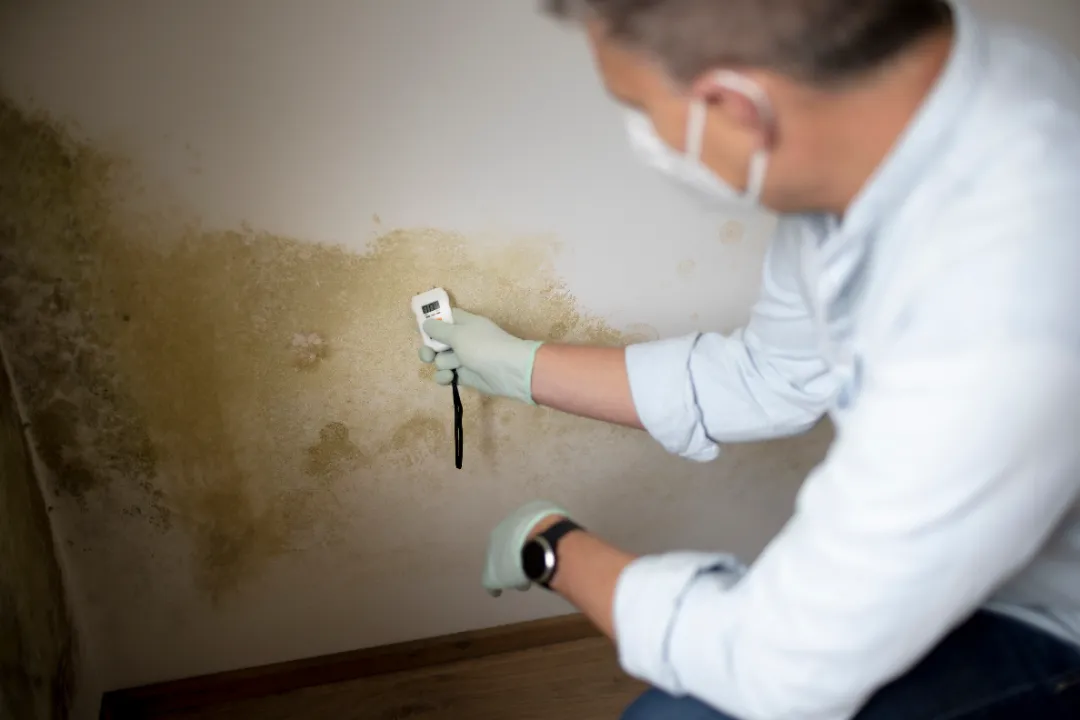
A thorough damp survey by our fully qualified damp surveyor is the first step in addressing a penetrating damp problem. We identify building defects and other issues. This allows our penetrating damp specialists to address both the source of the problem and any resulting damage to the inner walls of the house.
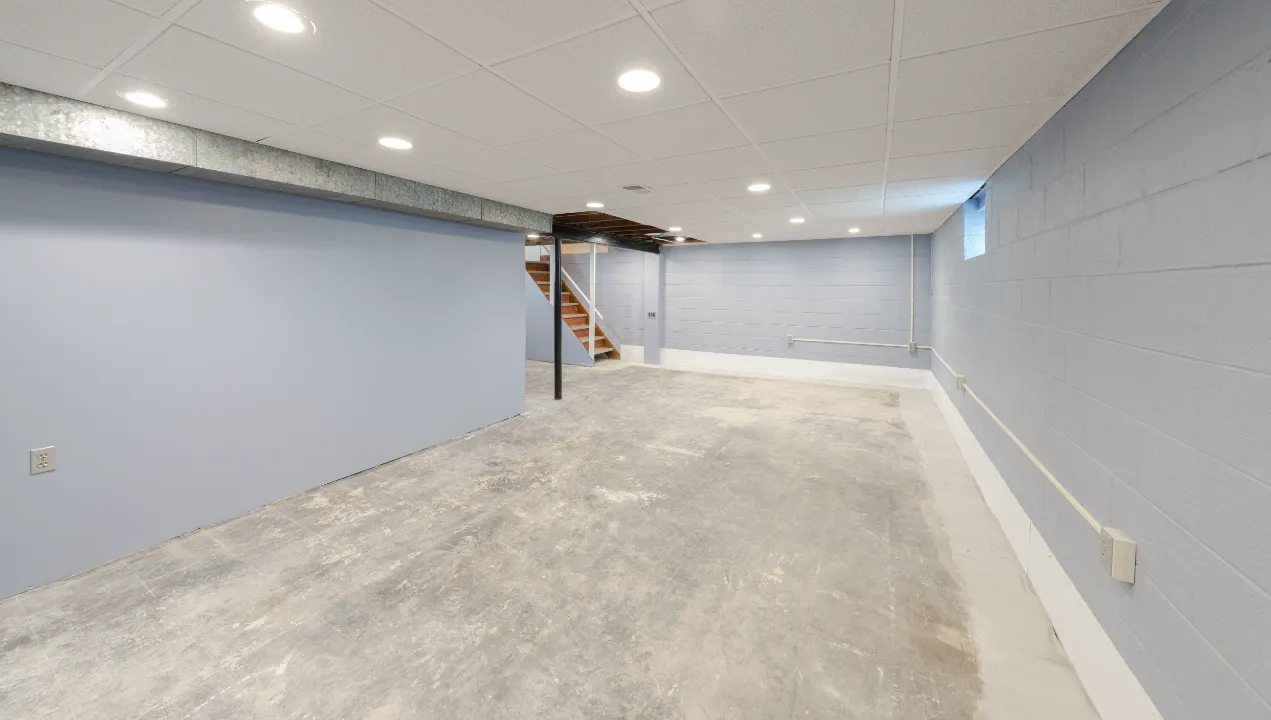

Project Location: The banks of the New River
Client: Private
Project Location: Corbridge Crescent
Client: Trac Construction / HG Construction
Project Location: Clerkenwell, EC1
Client: Victorian Grade II listed building
Here are some common questions about penetrating damp. Contact us if you need more information about your specific property issues.
Contact UsWhile rising damp moves upward from the ground, penetrating damp moves horizontally through walls. It's often tied to specific external defects rather than ground moisture.
Unlike condensation, which forms on surfaces, penetrating dampness soaks into building materials, potentially reaching the inner wall from the external wall.
Yes, in some cases. If cavity wall insulation becomes saturated due to an external defect, it can bridge the cavity wall and transfer moisture to internal surfaces.
This is particularly problematic with high intensity rainfall. Properly installed insulation should not cause issues, but existing building defects may become more problematic after installation.
Penetrating damp creates conditions favourable for black mould and other fungal growth, which can cause respiratory issues and allergic reactions.
The increased moisture also reduces heat retention, leading to higher energy bills and cold, uncomfortable spaces.
1
Contact us to discuss your property needs. We'll gather information about your building and arrange for the appropriate specialist to conduct a thorough assessment.
2
Contact us to discuss your property needs. We'll gather information about your building and arrange for the appropriate specialist to conduct a thorough assessment.
3
Once you approve our proposal, our experienced team will carry out all necessary work to the highest standards. We'll keep disruption to a minimum while providing comprehensive documentation upon completion, all backed by a decade-long guarantee.

Renlon is a fantastic company – efficient, knowledgable and specialist provision, accommodating and responsive. Thank you!
Really good service from start to finish, not one problem. Responsive, lovely staff throughout from the office to the Ops through to the highly skilled, tidy & courteous man who carried out the work to a really high standard. It’s a minefield of getting damp fixed, so happy I chose the right company.
Renlon are brilliant! Cannot reccmmend enough. Communication has been great, with quick responses to emails and phone calls. Lovely staff, namely Perry Spang, who has been extremely helpful and taken time to explain details of survey to me properly and with advice as how best to proceed. Huge thanks!