
Private
Project Location: The banks of the New River
Client: Private
Gas Proofing
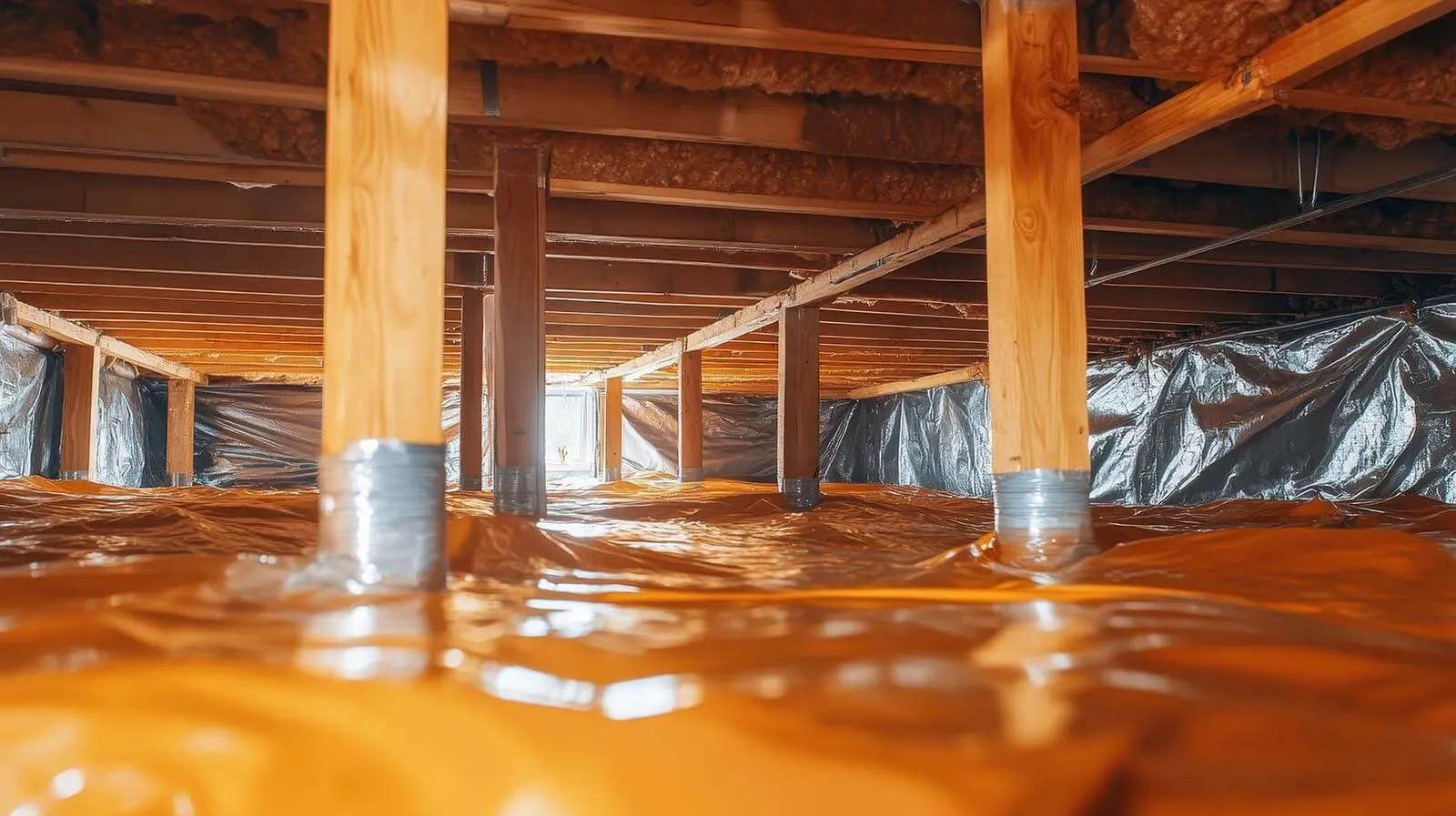
Damp proofing creates effective barriers against water ingress, preventing damage to internal walls and maintaining healthy environments. Our comprehensive solutions address different types of damp issues, from rising moisture to condensation and mould problems.
Rather than applying a one-size-fits-all treatment, we tailor our approach to the specific form of damp present and the conditions causing it. This may involve targeted damp proof course installation, moisture control measures, or improvements to ventilation and airflow. By addressing both the symptoms and the contributing factors, we help reduce the risk of recurring problems and protect the long-term condition of the property.

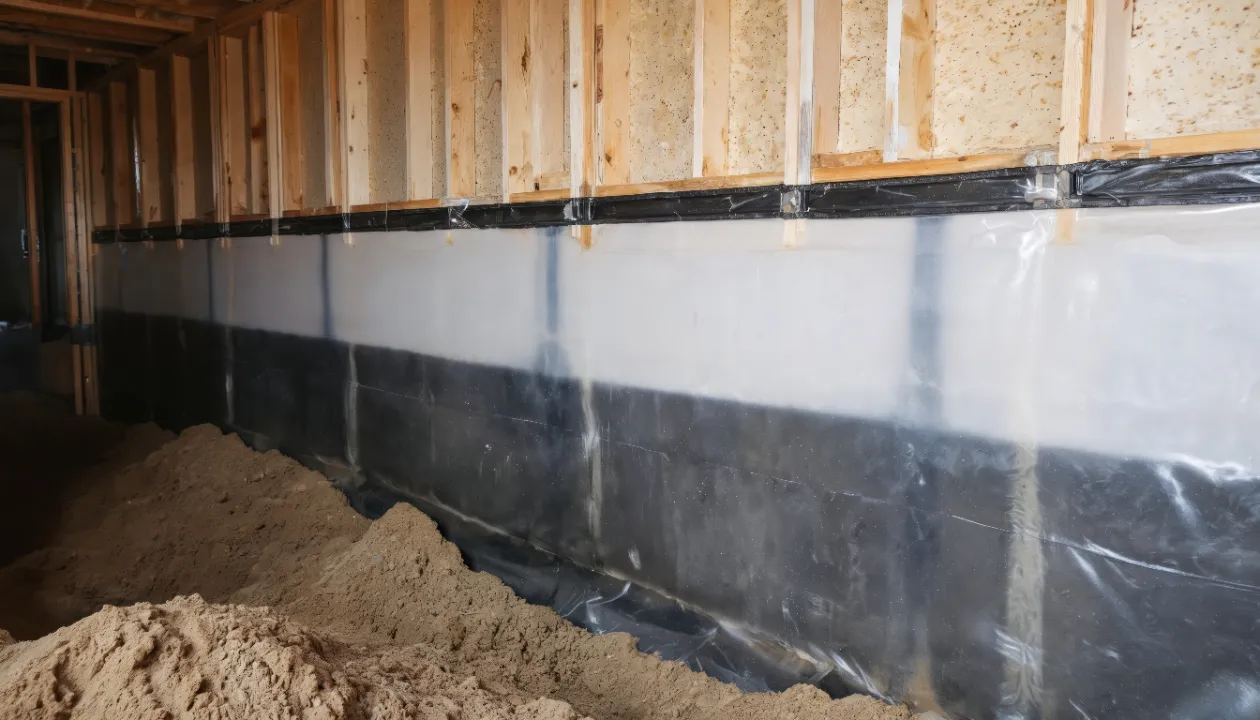
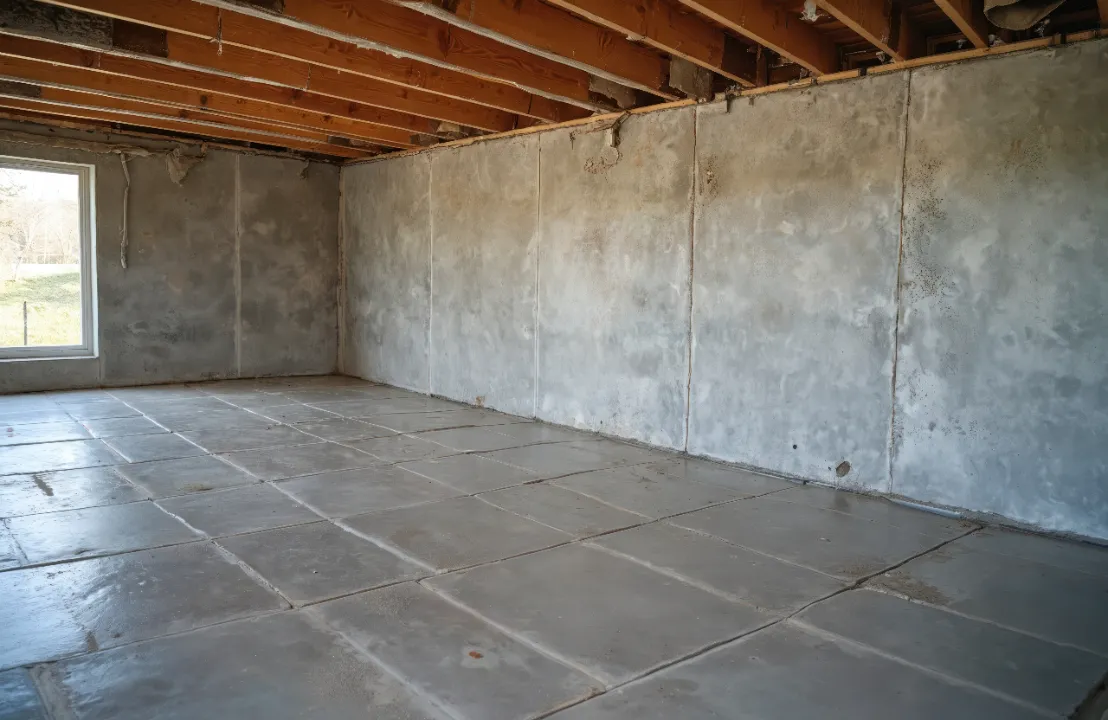
Damp in buildings can manifest as damp patches, damp stains, peeling wallpaper, damaged skirting boards, mould, and more. It’s often caused by issues with the existing damp proof course (DPC), capillary action drawing moisture through solid walls, or poor ventilation creating excess moisture on cold surfaces.
Without proper treatment, damp can lead to serious issues, including black mould and wet or dry rot in timber.
At Renlon, we’re constantly developing better solutions for our clients and the properties that we work on. Our innovation has led to the creation of proprietary products that offer significant advantages over traditional methods.
RenStrength is our revolutionary waterproofing system that eliminates the need to remove existing renders. This breakthrough technology applies directly over failed waterproofing systems, significantly reducing project timelines and disruption.
We are also excited to introduce RenTherme…
We offer tailored solutions for all damp issues in both residential and commercial buildings. Our specialists assess interior walls and external wall conditions to determine the appropriate damp treatment.
From installing a remedial damp proof course to applying waterproof barrier systems and improving ventilation, we create effective solutions that provide long-term protection.


Project Location: The banks of the New River
Client: Private
Project Location: Corbridge Crescent
Client: Trac Construction / HG Construction
Project Location: Clerkenwell, EC1
Client: Victorian Grade II listed building
Here are some common questions about damp proofing. Contact us if you need more specific information for your property.
Contact UsThe most common issues include rising damp (moisture moving up through walls from ground level), penetrating damp (moisture moving horizontally through walls), and condensation (water vapour settling on cold surfaces).
Each requires different approaches, which is why professional assessment is crucial.
Signs of rising damp include tide-mark staining on internal surfaces up to about 1 meter from ground level, damaged plaster, peeling decoration, and damp skirting boards. A musty smell and visible salts on wall surfaces are also indicators.
Our surveyors can confirm the diagnosis and recommend appropriate treatment.
While modern buildings are constructed with damp proof membranes and courses, older buildings often need remedial work. Properties with solid walls (without cavity) are particularly vulnerable.
However, even newer properties can develop damp issues if the original damp proofing fails or if conditions change, such as raised external ground levels compromising the existing damp proof course.
1
Contact us to discuss your property needs. We'll gather information about your building and arrange for the appropriate specialist to conduct a thorough assessment.
2
Contact us to discuss your property needs. We'll gather information about your building and arrange for the appropriate specialist to conduct a thorough assessment.
3
Once you approve our proposal, our experienced team will carry out all necessary work to the highest standards. We'll keep disruption to a minimum while providing comprehensive documentation upon completion, all backed by a decade-long guarantee.


Renlon is a fantastic company – efficient, knowledgable and specialist provision, accommodating and responsive. Thank you!
Really good service from start to finish, not one problem. Responsive, lovely staff throughout from the office to the Ops through to the highly skilled, tidy & courteous man who carried out the work to a really high standard. It’s a minefield of getting damp fixed, so happy I chose the right company.
Renlon are brilliant! Cannot reccmmend enough. Communication has been great, with quick responses to emails and phone calls. Lovely staff, namely Perry Spang, who has been extremely helpful and taken time to explain details of survey to me properly and with advice as how best to proceed. Huge thanks!